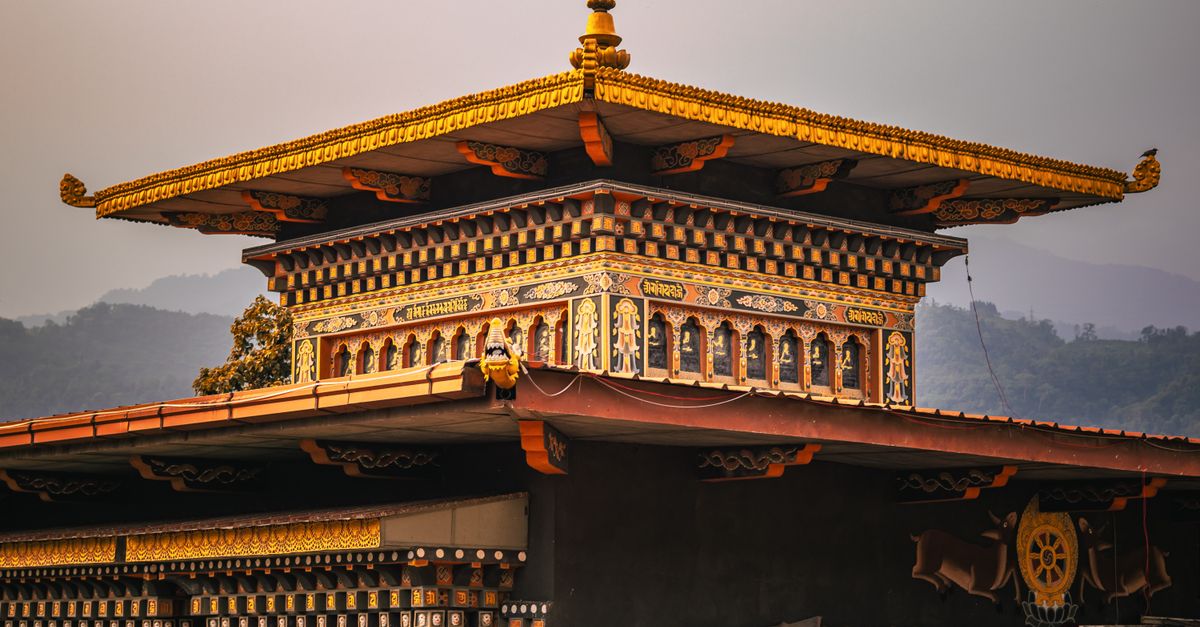
You land in Bangkok and the heat hits you before you've even left the airport. Tuk-tuks thread through traffic like they're playing a video game. Someone is frying pad thai on a street corner at 11pm, and the smell stops you mid-stride. Your phone already has three temple photos and you haven't technically left the arrival zone yet. Thailand does this to you, fast. It gets under your skin in the first hour and stays there long after you're back in Mumbai or Delhi trying to remember what normal food tastes like.
If you're planning a Thailand tour from India in 2026, here's everything you need to know, straight from people who've sent thousands of Indian travellers there and actually know what works.
Thailand Tour from India 2026 for Indian Travellers: What You Actually Get
Thailand is one of those rare destinations that genuinely delivers for every kind of traveller. Solo backpackers, honeymooners, families with grandparents and toddlers in tow, groups of college friends, couples celebrating anniversaries. It handles all of them with ease.
For Indian travellers specifically, Thailand hits several sweet spots at once. The food culture is strong and flavourful, vegetarian options exist (and are actually good), the people are warm and genuinely hospitable, the visa process is straightforward, and the value for money is real. You can have a very comfortable, experience-rich holiday without spending European prices.
The classic India-to-Thailand route covers three cities, each completely different in character. Bangkok is the city that never slows down: temples, malls, street food, rooftop bars, and river life all fighting for your attention at once. Phuket is beach Thailand, where the Andaman Sea turns a shade of blue that looks photoshopped but isn't. Chiang Mai is the north, cooler in temperature and in pace, with mountain air, elephant sanctuaries, ancient Lanna temples, and a food scene that even Bangkokians will tell you is special.
Eleven to fourteen days across these three cities gives you enough time to actually be somewhere, rather than just photograph it and leave. Thailand Tour Packages from Safari Sutra Holidays are built around this three-city structure, with enough flexibility to adjust based on what matters most to you.
Best Time to Visit (Month-by-Month, Honest)
November to February is the sweet spot. This IS the best time to visit Thailand. The weather is dry across the country, Phuket's beaches are calm and clear, and Chiang Mai mornings are genuinely cool, sometimes down to 14-15 degrees Celsius. Bangkok is pleasant rather than punishing. December and January are peak season, so hotels cost more and popular spots get busy, but the conditions are worth it.
March and April are hot, and that's being kind. Bangkok in April can hit 40 degrees with humidity that makes it feel worse. It's manageable if you plan around the heat, start days early, rest mid-afternoon, and pick air-conditioned activities for 1pm to 4pm. April also has Songkran, Thailand's water festival and New Year celebration, which is genuinely one of the best street festivals in Asia if you're into it. Book accommodation months in advance if you want to be there for it.
May to October is monsoon season. Phuket and the southern islands get significant rainfall, and some beach destinations become genuinely difficult to access. The north is greener and the landscape is beautiful, but outdoor activities can be disrupted. If you're visiting during this period, Chiang Mai and Bangkok hold up better than the south.
The Tourism Authority of Thailand publishes regional weather data by month, which is useful if you're targeting a very specific time window.
For most Indian families planning a 2026 trip, November through February is the call. The school holidays in December-January align well, and the conditions across all three cities are at their best.
Top Experiences You Can't Miss
Bangkok: More Than Temples
Yes, you should see Wat Pho and the Grand Palace. They're famous for good reason. The reclining Buddha at Wat Pho is genuinely impressive in scale, gold-plated and about 46 metres long. But Bangkok has layers beyond the postcard shots.
Take a longtail boat through the klongs (canals) early in the morning before the tourist boats start running. You'll pass houses on stilts, monks collecting alms from boats, kids going to school by water. It's 6:30am Bangkok before it's performing for anyone.
Chatuchak Weekend Market is one of the largest markets in the world and worth at least half a day if you like browsing, haggling, and eating your way through stalls. The night markets at Asiatique or Talad Rot Fai have a different energy, more relaxed and atmospheric after dark.
For food, don't just eat in your hotel. Yaowarat, Bangkok's Chinatown, at night is one of the great street food experiences in Asia. Go hungry.
Phuket: Beyond Patong
Patong Beach is what most people picture when they think Phuket. It's lively, it's fun in doses, but it's also crowded and commercial. Give it one evening for the spectacle, then explore further.
Kata and Kata Noi beaches on the west coast are calmer and the water is clear. The viewpoint at the top of the hill between Kata and Karon is worth the drive for the view across three bays at once. Old Phuket Town, with its Sino-Portuguese shophouses and independent cafes and galleries, is a great few hours away from the beach.
If you can do one day trip from Phuket, make it Phang Nga Bay, the limestone karsts rising from the water, the sea caves you can kayak through at low tide. James Bond Island is the famous stop, but it's the kayaking through the hongs (sea caves that open into lagoons) that stays with you.
Chiang Mai: Go Slow Here
Chiang Mai rewards a slower pace. Spend a morning at Doi Suthep, the temple on the mountain above the city, early before the crowds. The panoramic view over the city and the valley is best in the morning light before haze sets in.
The ethical elephant sanctuaries here, specifically those that don't offer riding, are worth a full day. You'll feed the elephants, walk with them to their mud bath, watch them interact with each other. It's not performative. These are large, complex animals and spending a day observing them closely changes how you think about them.
The Saturday Walking Street on Wualai Road and the Sunday Night Market on Thanon Wichayanon are worth planning your days around. Buy directly from the artisans, try the khao soi (a rich, curry-based noodle soup that is northern Thailand's signature dish), and just walk slowly.
A Thai cooking class in Chiang Mai, one that starts at a morning market and ends with you eating what you've cooked, is a full sensory afternoon and a skill you'll actually use when you get home.
Safari Sutra Package Options & Prices in INR
These are realistic price ranges for 2026, covering flights from major Indian cities (Delhi, Mumbai, Bangalore), accommodation, transfers, and guided experiences. Prices vary by travel dates, group size, and exact hotel choices.
Essential Thailand (10 nights)
Bangkok (4 nights), Phuket (3 nights), Chiang Mai (3 nights). 3-star properties, shared transfers, key guided city tours, Phang Nga Bay day trip. Starting from approximately Rs. 75,000 to Rs. 90,000 per person for two adults.
Classic Thailand (12 nights)
Bangkok (4 nights), Phuket (4 nights), Chiang Mai (4 nights). 4-star properties, private airport transfers, guided experiences in each city, elephant sanctuary day in Chiang Mai, cooking class, Phang Nga kayaking. Starting from approximately Rs. 1,10,000 to Rs. 1,35,000 per person for two adults.
Premium Thailand (12 nights)
Bangkok (4 nights, luxury city hotel), Phuket (4 nights, pool villa property), Chiang Mai (4 nights, boutique resort). Private transfers throughout, curated guide-led experiences, sunset boat dinner in Phuket, private cooking class, rooftop dining in Bangkok. Starting from approximately Rs. 1,80,000 to Rs. 2,20,000 per person for two adults.
Family Thailand (12 nights)
Structured for families with children. Child-friendly hotels with pools, pacing adjusted for mixed ages, Bangkok city and temple tour, elephant sanctuary, Patong beach time, with a sunset catamaran. Starting from approximately Rs. 1,00,000 to Rs. 1,25,000 per adult, with children's rates calculated separately based on ages.
Honeymoon Thailand (11 nights)
Bangkok (3 nights), Koh Lanta or Koh Yao Noi instead of central Phuket (5 nights, private beach property), Chiang Mai (3 nights). Champagne arrivals, sunset experiences, private transfers, slower-paced itinerary. Starting from approximately Rs. 1,50,000 to Rs. 1,80,000 per person.
All packages can be adjusted. If you want more days on the islands and fewer in Bangkok, we'll build that. If you want to add a night in Pai or a side trip to the Golden Triangle in the north, we can work that in. Plan Your Trip with Safari Sutra and we'll put something together that actually fits how you travel.
Getting There: Flights from India
Thailand is well-connected from India, which is one of the practical reasons it works so well as a destination.
From Delhi: Indigo, Air India, and Thai Airways all operate direct flights to Bangkok (Suvarnabhumi). Flight time is around 4 hours. Return fares typically range from Rs. 18,000 to Rs. 35,000 depending on season and how early you book. November to January prices are higher, so booking 3-4 months out is worth it.
From Mumbai: Multiple direct flights to Bangkok daily. Indigo, Vistara, and Thai Airways are the main operators. Similar flight time, around 4.5 hours, and similar fare ranges.
From Bangalore, Chennai, Hyderabad: Direct or one-stop options to Bangkok are available. Bangalore has good direct connectivity. Chennai and Hyderabad often connect through Bangkok or Kuala Lumpur.
For Chiang Mai arrivals: You can fly direct from Bangkok to Chiang Mai (1 hour, very affordable domestic leg) or take the overnight train, which is a classic experience in itself if you're not in a rush.
For Phuket: Direct flights from Delhi and Mumbai to Phuket exist on select days, mostly seasonal. Otherwise, Bangkok to Phuket is a 1.5-hour domestic flight that costs very little booked in advance.
If you're doing the Bangkok-Phuket-Chiang Mai loop, the most efficient routing is usually fly into Bangkok, end in Chiang Mai, and fly home from there. It avoids backtracking and adds a different arrival city to the experience.
Visa, Vaccinations & Practical Prep
Visa: As of 2025, Thailand offers visa-free entry for Indian passport holders for up to 30 days. The Thai government extended this arrangement and it is expected to continue through 2026, but check the current status closer to your travel date as policies can shift. You'll need a valid passport with at least 6 months validity, a return ticket, and proof of accommodation. No fee, no appointment.
Vaccinations: No mandatory vaccinations are required for India-to-Thailand travel. The standard advice is to be up to date on Hepatitis A, Typhoid, and routine vaccinations. If you're spending time in rural areas, particularly around animals, mention it to your travel doctor before departure.
Currency: The Thai Baht is the local currency. 1 INR is roughly 0.43 THB, or approximately Rs. 1 = 0.43 Baht. 100 Baht is about Rs. 230. ATMs are everywhere in Bangkok and tourist areas. Carry some cash for markets and street food, but cards work at most hotels and restaurants.
SIM Cards: Pick up a tourist SIM at the airport on arrival. AIS and DTAC both offer affordable data plans for 7-15 days. It's cheap and reliable.
Power Adapters: Thailand uses Type A (two flat pins) and Type B (three flat pins) sockets, both at 220V. If your Indian chargers have the round two-pin type, bring a universal adapter. Most modern phones charge fine at 220V.
Language: English works well in Bangkok, Phuket, and Chiang Mai tourist areas. Google Translate's camera function is genuinely useful for menus and signboards in local markets.
Frequently Asked Questions
Q: Is Thailand safe for Indian tourists, including solo women travellers?
Thailand is generally very safe for tourists. In Bangkok, Phuket, and Chiang Mai, the tourist infrastructure is well-established and tourist safety is taken seriously. Solo women travellers visit regularly without issues. The usual common-sense precautions apply: don't leave drinks unattended in busy nightlife areas, use reputable transport (Grab app is reliable), and keep an eye on your belongings in crowded markets. The local culture is polite and non-confrontational, which makes interactions easy.
Q: How many days is ideal for a Thailand trip from India?
Ten to twelve days gives you a proper experience across Bangkok, Phuket, and Chiang Mai without feeling rushed. If you only have 7-8 days, prioritise two cities rather than trying to squeeze in all three. Bangkok plus Phuket works well for beach lovers. Bangkok plus Chiang Mai works well for culture and food travellers.
Q: Is Thailand good for vegetarians?
Better than most of Southeast Asia. Thai Buddhist culture means vegetarian cooking is common, and most restaurants understand the concept without you having to over-explain. Ask for "jay" (vegan/vegetarian Buddhist style) or "mai sai neua" (no meat). Tofu, vegetables, rice, and noodle dishes are everywhere. Phuket and Bangkok both have strong vegetarian restaurant options. The challenge is hidden fish sauce in some dishes, so if you're strictly vegetarian, always confirm.
Q: Can we do Thailand with elderly parents or young children?
Yes, and it works well with the right planning. For elderly parents, Bangkok has good accessibility in most modern areas, Phuket beach hotels are largely flat and easy to navigate, and the pace can be kept gentle. For young children, the beaches, markets, and elephant sanctuaries are genuinely engaging. The food can be quite spicy, so ordering mild versions or sticking to milder dishes (pad thai, fried rice, mango sticky rice) works for kids. Most 4-star hotels have pools, which buys you a happy afternoon with kids every single day.
Q: What's the best way to get around between Bangkok, Phuket, and Chiang Mai?
Domestic flights are the most practical. Bangkok to Phuket and Bangkok to Chiang Mai both have frequent, affordable flights on Air Asia, Nok Air, and Bangkok Airways. Book these 2-3 months out and you'll pay very reasonable fares. Trains are an option for the Bangkok to Chiang Mai route if you want the scenic experience and have an extra day. For getting around within cities, the BTS Skytrain in Bangkok is excellent. In Phuket and Chiang Mai, Grab (the Southeast Asian ride-hailing app) is reliable and avoids tuk-tuk overcharging.
Q: Is December a good time, or is it too crowded?
December IS crowded, particularly in Phuket. But the weather is genuinely good and the festive atmosphere adds energy to Bangkok. If you're going in December, book accommodation and flights by August at the latest. The last week of December around Christmas and New Year is the peak of the peak, so prices are highest and popular spots are at maximum capacity. The first two weeks of December are a better balance of good weather and manageable crowds.
Q: What should I budget for daily expenses beyond the package?
For two adults on a comfortable basis, budget roughly Rs. 2,500 to Rs. 4,000 per day for meals outside your package (mix of street food and sit-down restaurants), shopping, entry fees, and local transport. Phuket tends to run slightly higher than Chiang Mai for food and transport. If you're a shopper, add a separate budget for Bangkok's malls and Chiang Mai's Night Bazaar, because the silverwork, silk, and handicrafts from the north are genuinely beautiful and very fairly priced compared to what you'd pay in India for similar quality.
Plan Your Thailand Tour from India 2026 Trip with Safari Sutra
After 12 years and 15,000+ trips, the pattern is clear: the difference between a good holiday and a great one usually comes down to planning quality, local guide relationships, and knowing the small things that the generic internet advice misses. Which hotel is actually walking distance to where you want to be (and which one says it is but isn't). Which elephant sanctuary is genuinely ethical and which ones are greenwashing it. Which Phang Nga tour operator gives you real time in the sea caves versus 45 minutes on a boat with 200 other people.
These are the things Safari Sutra Holidays has figured out across thousands of Thailand trips for Indian travellers. You get the benefit of that without having to learn it the hard way on your own trip.
Thailand in 2026 is still one of the best-value premium destinations available from India, flight connectivity is excellent, the visa situation is easy, and the three-city route across Bangkok, Phuket, and Chiang Mai delivers variety that genuinely satisfies every kind of traveller in the group. Whether you're planning a family holiday, a honeymoon, a friends trip, or finally taking that holiday you've been postponing for two years, Thailand is a solid, confident choice.
Ready to start planning? Contact Safari Sutra Holidays and we'll handle everything.

Safari Sutra Team
Travel curators with 13 years of experience planning Indian and international holidays — from safari adventures to island escapes.
View All Posts