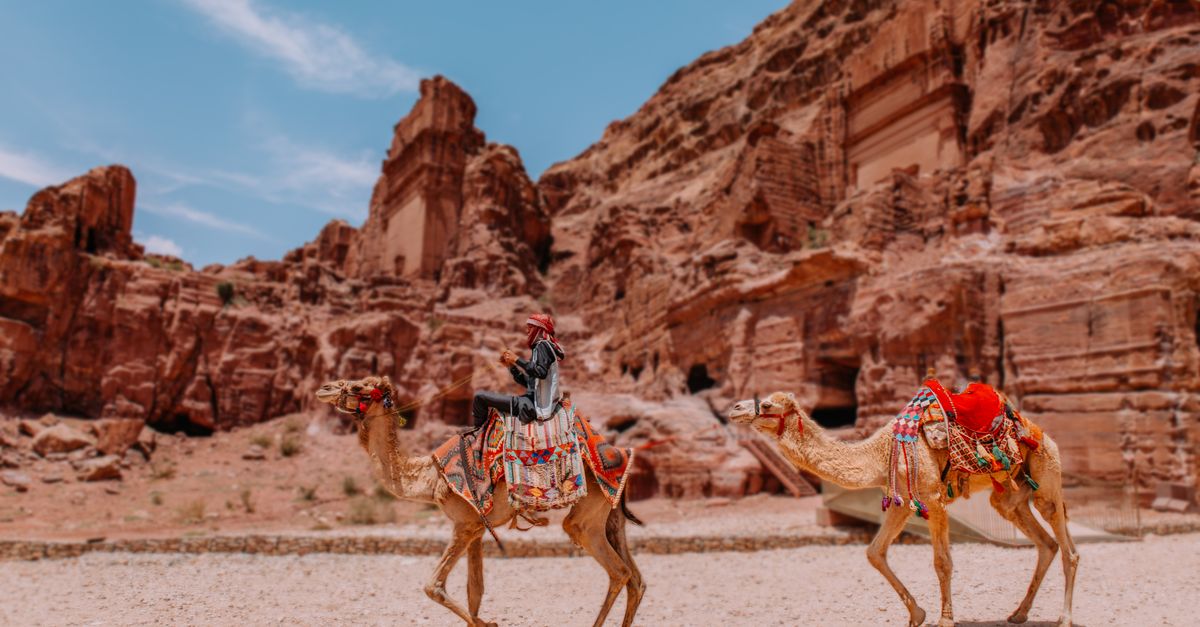
You step through a narrow crack in the sandstone, the walls rising 80 metres on either side of you, and then the light changes. The rock turns pink, then amber, then deep rose. You can hear your own breathing. The Siq, Petra's famous entrance gorge, is barely wide enough for a camel, and after 1.2 kilometres of walking through it, the Treasury suddenly appears at the end like a mirage. That first glimpse, a facade carved directly into the cliff face, columns and gods frozen in rose-coloured stone, stops most people mid-step. You don't say anything for a moment. You just stand there. That feeling is exactly why Petra belongs on every serious traveller's list.
Petra Travel Guide for Indians 2026 for Indian Travellers: What You Actually Get
Jordan is one of those destinations that surprises Indian travellers deeply. You expect ruins. What you get is a civilisation.
Petra was the capital of the Nabataean Kingdom, a trading empire that controlled the spice and silk routes between Arabia, Egypt, and the Mediterranean. At its peak, roughly 20,000 people lived here, and they didn't build their city above the ground. They carved it into the rock. The Treasury, the Monastery, the Royal Tombs, the colonnaded street, the amphitheatre, the high-altitude sacrificial altars, all of it cut directly from the sandstone hills of southern Jordan.
What Indian travellers specifically appreciate about Petra is the scale of the history and the physical beauty of the landscape. This isn't a museum with rope barriers. You walk through it, climb it, and at certain points, sit alone on a ridge with nothing but silence and layers of carved stone around you.
The site covers about 264 square kilometres, though most people only see the central area. A single day gives you the highlights. Two full days lets you breathe. Three days means you get the Monastery before the crowds arrive, and you can hike to the High Place of Sacrifice at sunrise without rushing.
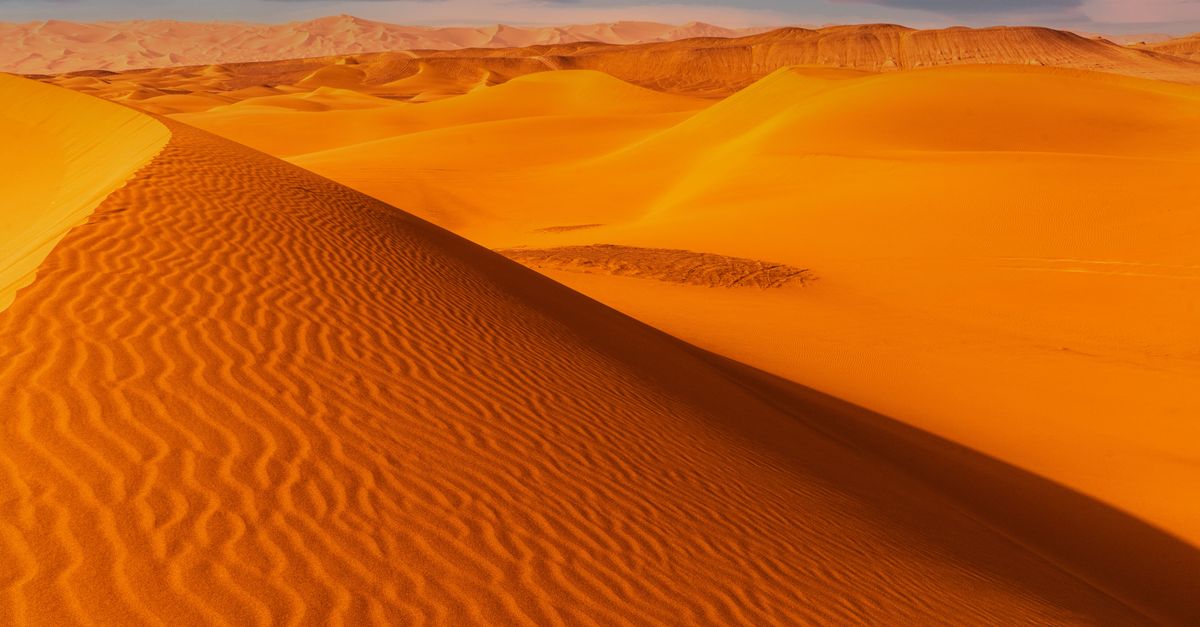
Petra is also excellent value for international travel from India. It connects naturally into a Jordan circuit that includes Wadi Rum's desert camps and the Dead Sea, giving you a trip that feels geographically rich without enormous internal travel distances. If you're planning your Jordan trip for 2026, Jordan Tour Packages from Safari Sutra Holidays cover the full circuit with the kind of depth that makes the history actually land.
Best Time to Visit (Month-by-Month, Honest)
March to May is the best window. The days are warm (20-28°C), the evenings are cool, and the spring flowers briefly turn the desert hills green. Light is golden in the mornings. March and April especially hit the sweet spot between comfortable weather and manageable crowds.
October and November are the second-best choice. The intense summer heat has broken, the site is quieter than spring, and the sky is that deep Jordanian blue. October is particularly good for photography.
June to September is genuinely hot. Daytime temperatures regularly cross 35°C, sometimes reaching 40°C in July and August. You can do it, but you'll need to start before 7am, retreat during midday, and go again in the late afternoon. It's not ideal, and we wouldn't recommend it as a first visit.
December to February brings cold nights (close to zero), occasional rain, and sometimes even snow. The site is beautiful in winter light, far less crowded, and Petra by Night (the Monday/Wednesday/Thursday candlelit walk) is especially atmospheric. But some higher trails can be slippery after rain.
For Indian travellers flying from Delhi or Mumbai, March and April align well with school holiday windows and offer the most comfortable walking conditions. You're walking 10-15 kilometres a day here, so weather matters.
Top Experiences You Can't Miss
The Siq and the Treasury
Walk the full length of the Siq from the entrance. Don't take a horse carriage for this section, walk it yourself. The narrow gorge, the way the light hits the striped sandstone walls, the Nabataean water channels carved along the sides, these are things you experience at walking pace. When the Treasury appears, you'll understand why people return to Petra multiple times.
The Monastery (Ad Deir)
This is the one that requires effort. About 800 rock-cut steps climb from the valley floor to the Monastery, a facade even larger than the Treasury and far fewer people standing in front of it. Get there by 7.30am and you might have it to yourself for twenty minutes. A Bedouin family runs a small tea stop at the top with a view across the canyon that you'll remember longer than most photographs you've ever taken.
The High Place of Sacrifice
The trail up to this altar complex gives you panoramic views across the entire Petra valley. Go at sunset if you can. The sandstone glows like it's lit from within, and you get a sense of how the Nabataeans used the landscape as part of their spiritual geography.
Petra by Night
Three nights a week (Monday, Wednesday, Thursday), the Siq is lit by 1,500 candles and you walk to the Treasury in near silence, under a sky full of stars, for a Bedouin music performance. It's quiet, it's atmospheric, and it's nothing like the daytime experience. Worth adding to your itinerary even if it's a repeat walk.
Little Petra (Siq al-Barid)
About eight kilometres north of the main site, this smaller canyon was where Nabataean merchants waited before entering the city. The frescoes here are well-preserved, the crowds are almost nonexistent, and it's included in your main Petra entry ticket. Most tourists skip it. Don't skip it.
Safari Sutra Package Options and Prices in INR
We offer Petra as part of a Jordan circuit, because Petra alone, without Wadi Rum and the Dead Sea, is like going to Rajasthan and only seeing Jaipur. You can, but you'd be leaving the best parts behind.
All prices are per person on twin-sharing basis, including return flights from Delhi or Mumbai, visa assistance, accommodation, transfers, and English-speaking local guides.
Classic Jordan (5 nights / 6 days)
Amman, Petra over two days, Dead Sea.
Approx. INR 1,10,000 to INR 1,30,000 per person.
Jordan Complete (7 nights / 8 days)
Amman, Jerash, Petra over two days, Wadi Rum overnight desert camp, Dead Sea.
Approx. INR 1,50,000 to INR 1,80,000 per person.
This is the most popular option and the one we recommend for a first Jordan trip.
Jordan Premium (9 nights / 10 days)
Amman, Jerash, Ajloun, Petra over three days (including sunrise Monastery hike), Wadi Rum two nights (luxury camp), Dead Sea, Aqaba.
Approx. INR 2,20,000 to INR 2,60,000 per person.
Best for travellers who want depth, smaller groups, and better accommodation throughout.
Petra Solo Focus (3 nights / 4 days)
For travellers who want only Petra, based in Wadi Musa.
Approx. INR 65,000 to INR 80,000 per person.
Good as an add-on to a separate UAE or Egypt trip.
Family Jordan (8 nights / 9 days, designed for groups with children)
Slower pace, family rooms, private vehicle, child-friendly guide, extra rest days built in.
Approx. INR 1,60,000 to INR 1,95,000 per person (based on family of four).
After 12 years and 15,000+ trips, we've found the biggest difference between an average trip and a great one is guide quality and timing. Petra specifically rewards travellers who start early (the site opens at 6am), and who have a guide who knows which trail to take at which hour. These are things we get right for every Safari Sutra client.
Prices vary by travel dates, flight availability, and group size. Plan Your Trip with Safari Sutra and we'll build the right combination for you.
Getting There: Flights from India
The main gateway is Queen Alia International Airport in Amman (AMM). Petra itself is about three hours by road from Amman.
Direct flights: Air Arabia and Royal Jordanian operate direct services from several Indian cities. Royal Jordanian flies direct from Delhi and Mumbai. Flight times are roughly five to six hours.
One-stop options: Emirates via Dubai, Flydubai, Air Arabia via Sharjah, and Kuwait Airways via Kuwait City all offer good connections. These add two to four hours but are often significantly cheaper.
Average return fares from Delhi or Mumbai: INR 28,000 to INR 55,000 depending on season and how early you book. March and October flights book up fast, so three to four months ahead is sensible.
Aqaba (AQJ) in southern Jordan also has an airport with connections via Amman, which is useful if you're doing a circuit ending at the Red Sea or continuing to Egypt. Some travellers also cross overland from Egypt via the Taba or Nuweiba border crossings into Aqaba, which is an option worth exploring if you're combining both destinations.
Visa, Vaccinations and Practical Prep
Visa: Indian passport holders need a visa for Jordan. The good news is Jordan offers a visa on arrival at Queen Alia Airport in Amman, which costs approximately JOD 40 (about INR 4,700). If you're visiting three or more sites (Petra, Wadi Rum, Jerash, etc.), the Jordan Pass is worth buying before you travel. It costs from JOD 70 (around INR 8,200) and includes the visa fee plus entry to 40+ attractions, including Petra's two-day ticket, which alone is JOD 50. The math is straightforward: Jordan Pass saves you money if you're doing more than just one day in Petra.
Vaccinations: No mandatory vaccinations for Jordan from India. Routine vaccines (Hepatitis A, typhoid) are advisable. If you're also visiting Wadi Rum or spending time in the desert, take sun protection seriously, the UV is strong even in spring.
Currency: Jordanian Dinar (JOD). 1 JOD is approximately INR 118. USD is widely accepted at hotels and major sites. Carry some cash for small restaurants, Bedouin tea stalls, and the local souvenirs around the Petra entrance.
Language: Arabic is the official language, but English is widely spoken at all tourist areas. Hindi-speaking guides are available on request through Safari Sutra Holidays.
Dress code: Jordan is relatively liberal for the region. At Petra, comfortable trekking clothes work fine. Modest dressing (covered shoulders and knees) is respectful in towns and villages. Comfortable walking shoes are non-negotiable: the terrain is uneven, rocky, and long.
Connectivity: Local SIM cards from Zain or Orange Jordan are cheap and give good 4G coverage even inside the Petra site. Pick one up at the airport on arrival.
The Incredible India tourism board often lists Jordan as one of the top international suggestions for Indian travellers, and the combination of history, landscape, and ease of access makes it one of the most rewarding first international trips in the Middle East region.
Frequently Asked Questions
Q: How many days do you need at Petra?
Two full days is the honest minimum if you want to see the main highlights without rushing. Day one covers the Siq, Treasury, Street of Facades, Royal Tombs, and the colonnaded street. Day two gets you the Monastery hike and the High Place of Sacrifice. If you only have one day, start at 6am when the gates open and stay until late afternoon. You'll cover the essentials but you'll be tired. Three days is the sweet spot if history and hiking both interest you.
Q: Is Petra safe for Indian travellers, including solo women?
Yes, Jordan consistently ranks as one of the safest countries in the Middle East for tourists. Petra town (Wadi Musa) is used to international visitors and harassment is minimal compared to many other tourist destinations. Solo women travellers report feeling comfortable here. Standard common sense applies: keep copies of your documents, stay in well-reviewed hotels, and don't wander unmarked trails alone after dark.
Q: Can you do Petra as a day trip from Aqaba or Amman?
Technically yes, both cities are about three hours by road. But doing Petra as a day trip means you get about five to six hours at the site, which is tight. You'll see the main highlights but you'll feel rushed, and you miss the magical early morning and late evening light. Staying in Wadi Musa for at least one night is worth it.
Q: Is Petra accessible for elderly travellers or those with mobility challenges?
The main path from the Siq to the Treasury is mostly flat and accessible. Horse-drawn carriages operate this section for those who need them. The Royal Tombs require some steps but are manageable. The Monastery hike (800 steps) and the High Place of Sacrifice trail are genuinely strenuous and not suitable for those with significant mobility challenges. A good guide can help you plan a route that fits your group's fitness level.
Q: What's the food like, and will Indian vegetarians find enough to eat?
Jordanian food is excellent and vegetarian-friendly. Hummus, falafel, ful medames, fattoush, and fresh bread are staples. Most restaurants around Petra serve good mezze spreads. Wadi Musa has several restaurants catering specifically to tourists with both Arabic and international options. If you're strictly vegan, it's easy enough with a bit of communication. Jain dietary requirements can be trickier, so let us know in advance and we'll handle restaurant briefings.
Q: Can you combine Jordan with other destinations in one trip?
Absolutely. The two most natural combinations are Jordan with Israel/Palestine (crossing at the King Hussein Bridge or Wadi Araba border), and Jordan with Egypt (via the ferry from Aqaba to Nuweiba or the Taba border). Both work well and make for a geographically rich Middle East trip of 12-16 days. Safari Sutra builds these combinations regularly. Just tell us what interests you.
Q: Is the Jordan Pass worth it for Indian travellers?
Yes, in almost every case. If you're visiting Petra for more than one day, the Jordan Pass at JOD 75 (which includes your visa and two-day Petra entry) is cheaper than buying the visa and entry tickets separately. Check the official Jordan Pass website before you travel and purchase it before arriving in Jordan, the process is simple and takes about ten minutes online.
Plan Your Petra Travel Guide for Indians 2026 Trip with Safari Sutra
Petra is the kind of place where the photographs you've seen don't prepare you for the reality. The scale is bigger, the colours are more complex, and the silence in those rock corridors is something you carry home with you.
2026 is looking like a strong year for Jordan travel. Tourism infrastructure around Petra has improved significantly, new desert camps in Wadi Rum have raised the standard of accommodation, and Royal Jordanian's expanded India connections make it easier to get there without a painful layover.
Safari Sutra Holidays has built trips to Jordan for Indian families, couples, solo travellers, and senior groups. We know which guides make the history come alive, which camps in Wadi Rum are worth the price, and how to build an itinerary that doesn't leave you exhausted by day three.
If Jordan has been on your list, 2026 is a good time to actually do it.
Ready to start planning? Contact Safari Sutra Holidays and we'll handle everything.

Safari Sutra Team
Travel curators with 13 years of experience planning Indian and international holidays — from safari adventures to island escapes.
View All Posts