You step out of your riad into a narrow lane in the Medina, and within thirty seconds, the world has completely changed. A spice seller is scooping saffron into small paper cones, the colour almost too vivid to be real. A boy on a bicycle squeezes past you, narrowly missing a cart stacked with flat breads. Somewhere above, a muezzin's call floats out over terracotta rooftops. The air smells of cumin, leather, and something floral you can't quite place, maybe orange blossom. You have no idea where you are, and that is entirely the point.
Marrakech does something to people. It rearranges you a little.
Marrakech Travel Guide for Indians: What You Actually Get
Let's be honest: Marrakech is not a beach destination, and it's not a European city-break with cobblestones and coffee shops. It is something harder to categorise, and that's exactly why Indian travellers tend to love it.
The similarities are instant. The chaos of the souks will remind you of Crawford Market in Mumbai or Chandni Chowk in Delhi, but with a North African overlay that makes everything feel both familiar and completely foreign. Haggling is the norm, hospitality is fierce, and the food is slower and more layered than anything on a set-menu tour. Moroccan culture has strong Arab, Berber, and Andalusian roots, and once you start noticing the architectural details, the geometric tilework, the carved stucco, the hand-knotted rugs, you realise this is a civilisation that has been refining beauty for centuries.
For Indian travellers specifically, Marrakech punches well above its weight. The value is excellent compared to Western Europe. The food culture is rich and genuinely exciting for people who grew up with spices. The city is deeply Islamic in character, which means the architecture, the rhythms of the day, and the sensibility feel less alien than, say, Tokyo or Buenos Aires. And the photography, yaar, just don't run out of storage.
What you actually get is roughly four to five days of medina walks, rooftop dinners, hammam rituals, day trips to the Atlas Mountains or Essaouira, and evenings on Djemaa el-Fna watching acrobats and storytellers as the square fills with smoke from food stalls. It's a city that rewards slow, curious travel.
Best Time to Visit (Month-by-Month, Honest)
March to May is genuinely the best time to visit Marrakech. Temperatures are warm but manageable, roughly 22 to 28 degrees Celsius, the roses in the Ourika Valley are in bloom, and the city hasn't hit its brutal summer peak. This is the sweet spot, and flights from India are easier to plan around school holidays.
October and November are a close second. The summer heat has broken, the tourist numbers dip slightly, and the light in the afternoon turns golden in a way that makes the city look like a painting. November evenings are cool, so carry a light jacket.
June to August is peak European tourism season, and Marrakech in July is not a joke. Temperatures can hit 40 degrees Celsius or more in the medina, which is all stone alleys and zero shade. If you do go in summer, you'll want air-conditioned accommodation, late afternoon starts, and serious sun protection. Budget travellers sometimes love it for lower accommodation prices, but for premium travel, we'd steer you away.
December to February is surprisingly good. Days are mild and sunny, around 18 to 22 degrees, and the Atlas Mountains get snow at higher elevations, which is spectacular if you drive up. Nights are genuinely cold, so pack layers. Crowds are low, prices are reasonable, and the pace is unhurried.
Top Experiences You Can't Miss
Walk the Medina Without a Map (at least once)
The old city is a UNESCO World Heritage Site, and it's one of the last large medieval medinas in the world that is still genuinely alive. Don't try to orient yourself on day one. Just walk. You'll get lost. You'll find a 12th-century mosque you've never heard of, a tiny fondouk (old caravanserai) being used as an art gallery, and a woman selling argan oil pressed the traditional way. The real Marrakech lives in these lanes.
Djemaa el-Fna at Dusk
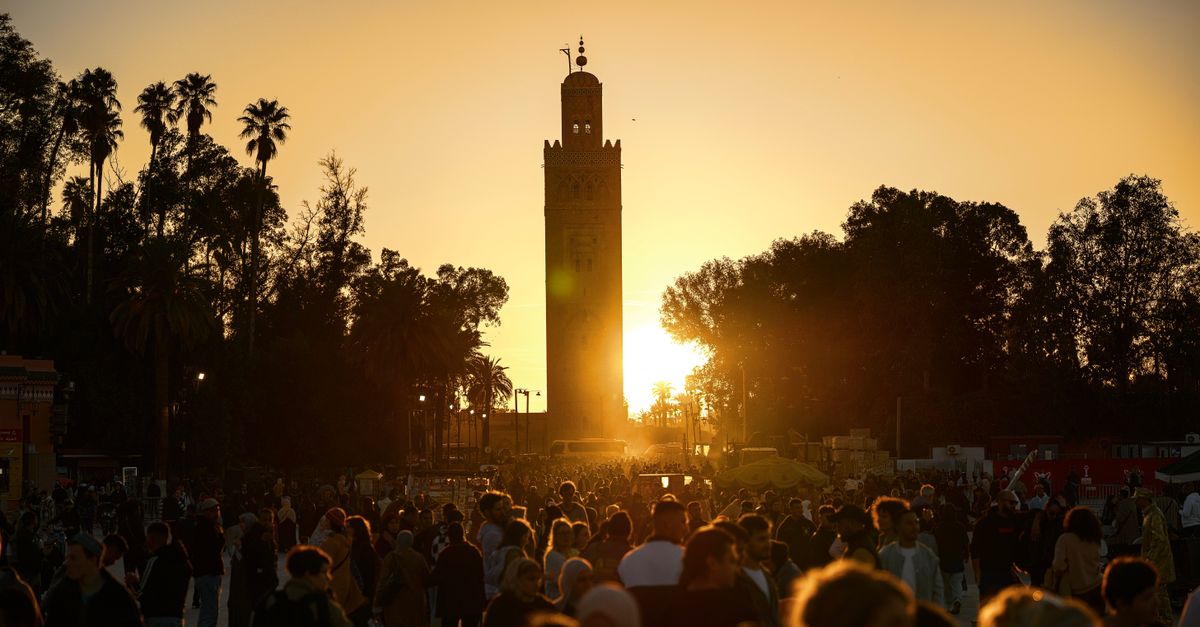
This is non-negotiable. The main square of Marrakech transforms every evening from a daytime market into one of the largest outdoor theatres on earth. Snake charmers, Gnawa musicians playing hypnotic three-stringed guembris, henna artists, and food stalls serving harira soup and lamb merguez. Get there around sunset, find a rooftop cafe overlooking the square, and watch the whole thing ignite. It's one of those travel moments you genuinely can't manufacture.
A Hammam Ritual
Not the tourist spa version (though those are lovely too). Try a traditional neighbourhood hammam for the full scrub-and-steam experience. The ritual of black soap, kessa mitt exfoliation, and steam is deeply meditative and something Indian travellers often find comparable to a Kerala Ayurvedic treatment in terms of how it resets your body. Your skin will feel like a teenager's afterward.
The Majorelle Garden and Yves Saint Laurent Museum
Jacques Majorelle's famous cobalt-blue garden was rescued and restored by Yves Saint Laurent and Pierre Bergé in 1980. The colour alone, that specific shade of blue against terracotta pots and tropical plants, is worth the ticket price. The adjacent YSL Museum is small but beautifully designed and gives you a fascinating window into how Marrakech shaped one of fashion's greatest minds.
A Day Trip to the Atlas Mountains
About an hour from the city, the Atlas Mountains offer a completely different Morocco. Villages of the Amazigh (Berber) people, terraced farms, walnut groves, and in winter, snow-capped peaks. You can hike, visit a local home for mint tea and msemen (Moroccan flatbread), or simply drive the winding road up to Ourika Valley or Imlil. It breaks the intensity of the city beautifully.
The Souks: Shop With Intention
The souks of Marrakech are organised by trade, leather in one lane, spices in another, brass lamps in a third. The Souk des Teinturiers (Dyers' Souk) is visually extraordinary, with skeins of wool dyed in saffron, pomegranate red, and indigo hanging overhead. For shopping, leather babouches (slippers), argan products, hand-woven blankets, and Moroccan lanterns are all excellent buys. Haggle pleasantly but firmly, starting at about 40 to 50 percent of the asking price is a reasonable starting point.
Safari Sutra Package Options and Prices in INR
We've been running Morocco Tour Packages for over a decade, and Marrakech is always the heart of them. Here are the realistic options, covering accommodation, private transfers, and guided experiences.
Essential Marrakech (4 nights / 5 days)
Boutique riad in the medina, private airport transfers, guided medina walk, Djemaa el-Fna evening, Majorelle Garden. Approximately INR 65,000 to 85,000 per person based on double occupancy, excluding international flights.
Classic Marrakech + Atlas Day Trip (5 nights / 6 days)
Well-appointed riad with rooftop terrace, everything above plus a full-day Atlas Mountains excursion and a traditional hammam session. Approximately INR 95,000 to 1,20,000 per person.
Premium Marrakech (5 nights / 6 days)
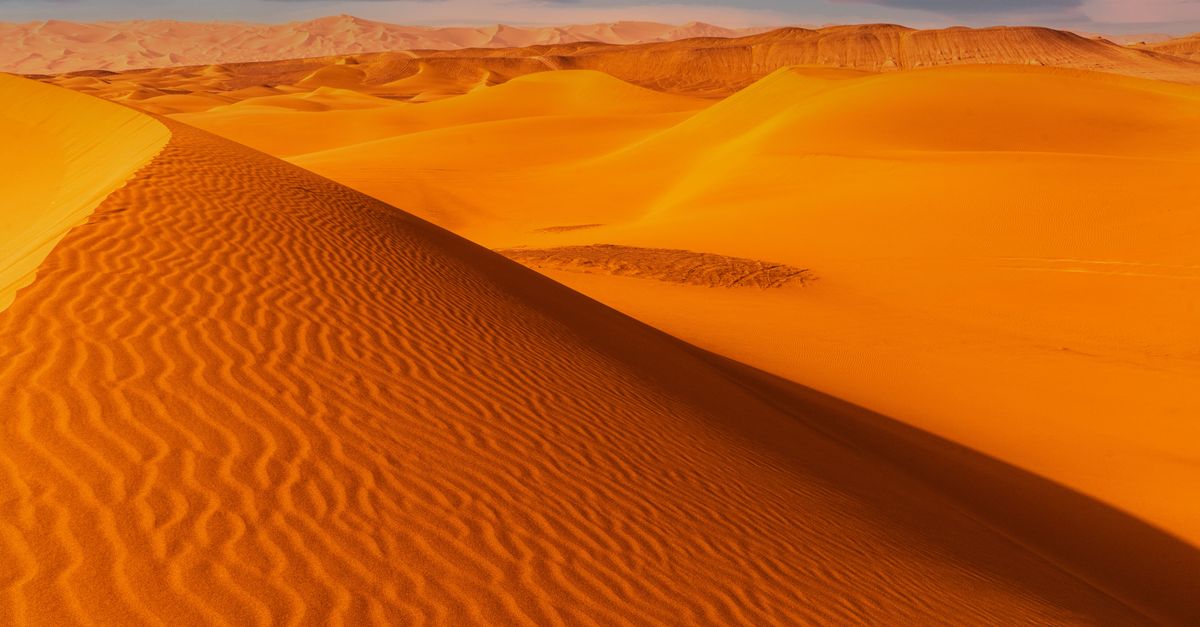
Luxury riad or boutique hotel (properties like La Mamounia category), private guide throughout, cooking class, sunset camel ride at Agafay Desert, exclusive rooftop dinner. Approximately INR 1,60,000 to 2,20,000 per person.
Marrakech + Essaouira Combo (7 nights / 8 days)
Splits the trip between Marrakech and the breezy coastal town of Essaouira, two hours away. Slower pace, UNESCO-listed Portuguese fortress, incredible fresh seafood. Approximately INR 1,40,000 to 1,80,000 per person.
Morocco Grand Tour (12 nights / 13 days)
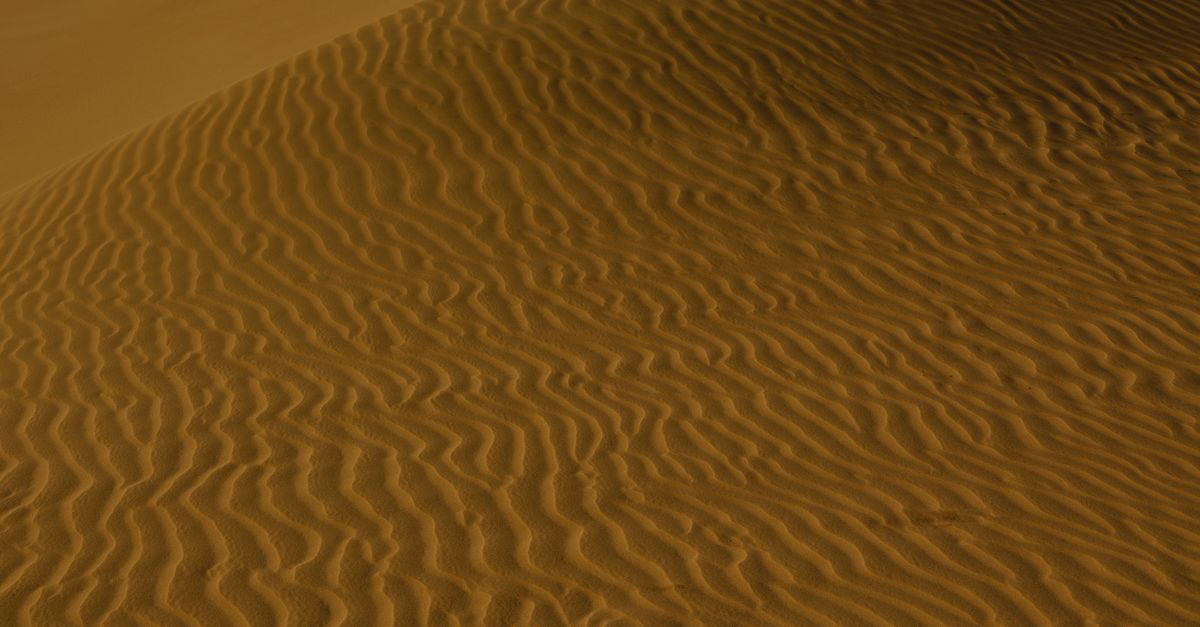
Marrakech, Fes, Chefchaouen (the famous blue city), and the Sahara Desert at Merzouga for a camel trek and desert camp. This is Morocco at full scale. Approximately INR 2,40,000 to 3,20,000 per person.
All prices are indicative and depend on travel season, room category, and group size. Plan Your Trip with Safari Sutra and we'll send you a detailed, personalised quote.
Getting There: Flights from India
There are no direct flights from India to Marrakech Menara Airport (RAK). The most common and convenient routing is via the Gulf hubs.
From Mumbai or Delhi: Emirates via Dubai, Etihad via Abu Dhabi, and Royal Air Maroc via Casablanca all offer good connections. Total travel time is typically 11 to 14 hours including the layover. Royal Air Maroc's Casablanca connection is often the most affordable and can work well if you want to add a day in Casablanca (though honestly, Marrakech beats Casablanca for a first-time visit).
Approximate return airfares from India: INR 45,000 to 80,000 in economy, depending on season and how far in advance you book. Business class on Emirates via Dubai runs INR 1,60,000 to 2,20,000 return.
Book at least eight to ten weeks in advance for spring travel, which is peak season. Baggage allowances on Royal Air Maroc for Indian travellers can sometimes be trickier to navigate, so always double-check when booking through consolidators.
Visa, Vaccinations and Practical Prep
Visa: Indian passport holders require a visa to visit Morocco. The good news is it's straightforward. You apply for a Tourist Visa at the Moroccan consulate (there are offices in Mumbai, Delhi, and Bengaluru). Processing typically takes 5 to 10 working days. You'll need your passport, confirmed hotel bookings, return flight tickets, bank statements, and a cover letter. No visa on arrival for Indians currently.
Vaccinations: Morocco doesn't require any specific vaccinations for Indian travellers, but being up to date on routine vaccines (hepatitis A, typhoid) is sensible. Check the latest health advisories closer to your travel date.
Currency: The Moroccan Dirham (MAD). As of mid-2025, approximately 1 INR equals 0.13 MAD, so 1,000 INR gets you around 130 MAD. Carry some cash for the souks and small food stalls; cards are accepted in most hotels and restaurants but not everywhere in the medina.
Language: Arabic and Amazigh are official languages, and French is very widely spoken. English is understood in tourist areas but not universal. Learning a few words ("shukran" for thank you, "la shukran" for no thank you, extremely useful in the souks) goes a long way.
Connectivity: Local SIM cards from Maroc Telecom or Inwi are cheap and easy to buy at the airport. Data is affordable and speeds are decent.
Dress code: Morocco is a Muslim country with traditional values. In the medina, shoulders and knees covered is respectful and practical. In riads and hotels, dress as you like. Women travelling solo report Marrakech as manageable but assertiveness helps in the souks.
Frequently Asked Questions
Q: Is Marrakech safe for Indian tourists?
Marrakech is generally very safe for tourists, including solo Indian women travellers, though like any busy city with a significant tourist economy, petty scams exist. The most common one is someone offering to "guide" you through the medina without being asked and then demanding money. A firm but polite "la shukran" (no thank you) works well. Stick to your riad's recommendations for restaurants and guides, and you'll be completely fine.
Q: How vegetarian-friendly is Marrakech?
Better than you'd expect. Moroccan cuisine has excellent vegetarian options: harira soup, zaalouk (smoky aubergine salad), bissara (fava bean soup), couscous with vegetables, and msemen flatbreads. Strictly vegan is harder in traditional restaurants, but very doable. The bigger challenge for some Indian travellers is that Moroccan food uses butter and preserved lemons heavily, so "no meat" is usually understood, but "no dairy" needs explicit communication in smaller places.
Q: Can I visit Marrakech during Ramadan?
Yes, and it's actually a fascinating time to visit if you're open to adjusting your rhythm. Many restaurants that serve tourists remain open during the day. Evenings during Ramadan are lively and festive, with the city coming alive after Iftar (the breaking of the fast). You should be respectful about eating, drinking, and smoking openly in public during daylight hours, but it's entirely workable and gives you a side of Marrakech most tourists never see.
Q: How many days do I actually need in Marrakech?
Four full days is the minimum to do it justice without feeling rushed. Five to six days is ideal, especially if you want to do an Atlas Mountains day trip and still have unhurried time in the medina. If you're combining it with the rest of Morocco (Fes, the Sahara), plan for 10 to 14 days total.
Q: Is Marrakech suitable for families with kids?
Absolutely. The sensory overload that might overwhelm some adults is exactly what kids love. Djemaa el-Fna in the evening is a fantastic live show for children. Many riads have internal courtyards that work beautifully as private hangout spaces. Day trips to the mountains or camel rides at the Agafay Desert are big hits with kids. Just watch the narrow medina lanes, they're not great for strollers.
Q: What's the difference between a riad and a hotel?
A riad is a traditional Moroccan house built around a central courtyard, often with a fountain and garden. From the outside, they look like blank walls in a narrow alley. Step inside and you're in a private oasis of carved plasterwork, geometric tiles, and lantern light. They're intimate (typically 6 to 15 rooms), personally hosted, and the best way to experience Moroccan domestic architecture. For a first-time visit to Marrakech, staying in a riad in the medina is something we'd always recommend over a generic hotel on the outskirts.
Q: How much should I budget per day in Marrakech?
A comfortable mid-range budget for a couple is roughly INR 8,000 to 12,000 per day on the ground, covering meals, a guided experience or two, shopping, and transport. Premium travel with private guides, rooftop dinners, and luxury riad stays can run INR 18,000 to 30,000 per couple per day. The city is genuinely good value compared to Paris or London, and you can eat extraordinarily well without spending a lot.
Plan Your Marrakech Trip with Safari Sutra
After 12 years and 15,000+ trips, the team at Safari Sutra Holidays has learned that the difference between a confusing, exhausting visit to Marrakech and a truly great one comes down to two things: who meets you at the airport, and who walks you into the medina for the first time. A good local guide doesn't just show you what's there; they give you the language and the context to actually read the city. That's something we build into every Marrakech trip we plan.
We handle the visa paperwork guidance, the riad selection (which matters enormously in Marrakech, where two riads on the same lane can be worlds apart in quality), the private airport transfers, and the kind of ground knowledge that only comes from sending hundreds of Indian travellers here and learning what actually works.
Whether you want four days in the medina or a full Morocco sweep from the Sahara to the Atlantic coast, we'll put together something specific to you, not a generic itinerary pulled off a shelf.
Ready to start planning? Contact Safari Sutra Holidays and we'll handle everything.

Safari Sutra Team
Travel curators with 13 years of experience planning Indian and international holidays — from safari adventures to island escapes.
View All Posts